How to Select the Right Colours for Holi: A Practical & Safe Buying Guide 2026

Holi is one of the most awaited and vibrant festivals in India, celebrated mainly with colors, water, and gatherings. Selecting the right colors for Holi requires more consideration than people assume. With increasing awareness like skin sensitivity and product safety and environmental impact, they are more cautious about what they apply to their skin during Holi. The market offers multiple types of Holi colors, such as herbal colors, organic gulal, traditional powders, liquid colors, and even metallic or neon variants. While variety adds excitement, it can also create confusion. You can also visit the latest coupons for Amazon to buy Holi colors at reduced prices this festive season.
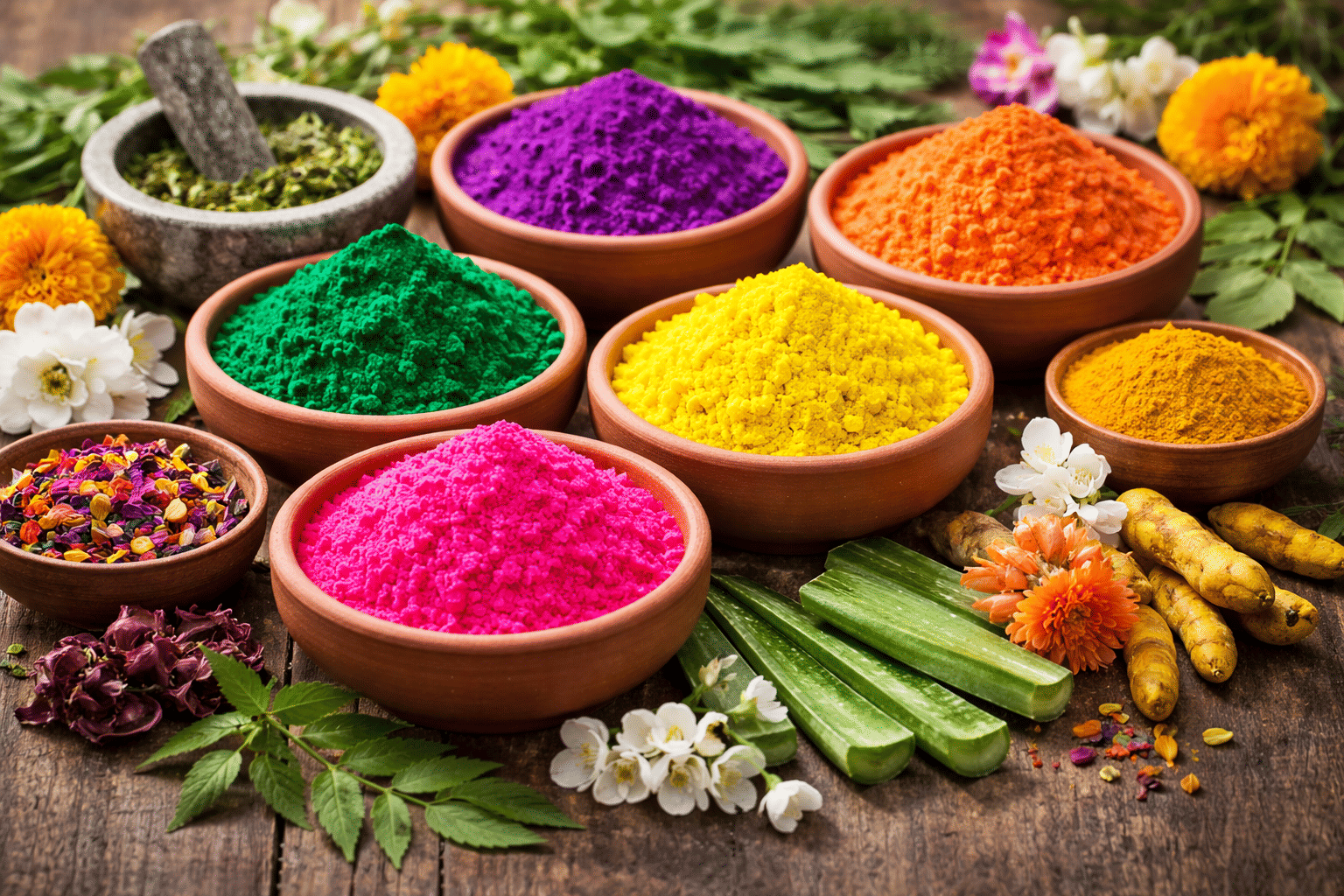
Holi Colors Comparison Table: Which Type Is Right for You?
Types of colours | Best for | Skin safety levels | Ideal for |
Herbal gulal | Sensitive skin | high | Families & kids |
Organic colors | Eco-conscious celebrations | high | Eco-aware buyers |
Traditional Powder Colours | Budget celebrations | Medium to Low | Large gatherings |
Liquid Colours | Water-based fun | Depends on ingredients | Outdoor parties |
Flower-Based Colours | Natural celebrations | Very High | Temple or community events |
Understanding Each Type of Holi Color in Detail:
Herbal gulal: Herbal gulal is typically prepared using plant-based ingredients with natural starch as a base. Many manufacturers use extracts derived from turmeric, beetroot, henna, marigold, or other botanical sources to create natural shades. generally formulated without harsh industrial dyes or chemical pigments that may irritate the skin. One of the main reasons to prefer herbal gulal is because it suits every skin type and is softer as compared to sensitive skin. For families celebrating with children or elderly members, herbal gulal offers an added layer of comfort and peace of mind.
Organic colors: Organic Holi colors are designed with sustainability and environmental responsibility in mind. these colours These colors usually use certified natural ingredients and are manufactured through eco-conscious processes. Schools and organizations that organize events may prefer these organic colors to ensure the safety purpose for large groups. Typically free from synthetic additives and heavy chemical dyes. Most of the buyers should check the packaging details carefully rather than blindly trust advertisements.
Traditional powder colors: Traditional powder colors are the most preferable and affordable option during Holi. And it is easily available in the local markets and often best for purchasing for large gatherings and community events. These colors are especially known for their vibrant colors, which contribute to the festive atmosphere. Traditional colors are budget-friendly and best for all skin types. Buyers should prioritize verified products to reduce potential skin or hair damage. or fillers that can irritate the skin and eyes. In rare cases, substandard products may include trace amounts of heavy metals, which increase health risks.
Liquid Holi colors: Liquid Holi colors are water-based and are commonly used in outdoor celebrations involving water balloons, pichkaris, and splash activities. These colors are more effective as compared to dry gulal and more popular among the young age groups. It is advisable to choose liquid colors that mention dermatological testing or non-toxic labeling on the packaging. And liquid colors can add more excitement to celebrations without causing significant skin issues.
Flower-based natural colors: Flower-based colors are made from dried and powdered petals of flowers such as marigold and rose. These colors are often associated with traditional temples and celebrations where environmental effects are preferred. And they are generally considered among the safest options available. They are fully biodegradable and decompose naturally without damaging the soil or water. And its fragrance is usually mild and naturally derived rather than artificially added.
How to Test Holi Colors Before Use?
Testing the holy colors before using them on your skin is often an overlooked step. Even products labeled herbal or organic can react differently depending on individual skin type. These few precautions can help you to prevent irritation, staining, or discomfort during celebrations.
Conduct a small patch first: before applying the color on your face, arms, and body, first apply a small amount of color on your wrist or behind your ear. Because these areas are relatively more sensitive and quickly show the sign of irritation if the product is not suited to your skin.
Check washability with water: Apply a small amount to your hand and rinse it with plain water. And test to see how easily the color washes off. Observe whether it fades easily or leaves behind strong spots. If the color requires excessive scrubbing or leaves deep staining even after washing with soap and water, it may contain strong synthetic chemicals.
Observe texture: Rub a small quantity of dry color between your fingers. The texture should feel smooth and soft. If it feels gritty, coarse, or unusually heavy, it may contain fillers such as chalk powder or other additional chemicals.
Assess the Smell Carefully: Fragrance can irritate sensitive skin and may cause headaches in some individuals during prolonged exposure. It's safer to avoid using that product, especially in gatherings where colors are applied repeatedly.
FAQs:
Q. How can I identify safe Holi colors before buying?
A. Check the ingredient list, look for non-toxic or herbal labels, and avoid products with unclear packaging details.
Q. Which Holi colors are suitable for sensitive skin?
A. Organic or herbal gulal made from natural starch and plant extracts is usually better for sensitive skin.
Q. Do flower-based Holi colors stain clothes?
A. They usually cause lighter stains than synthetic colors, but darker shades may still leave temporary marks.
Q. How do I remove Holi colors safely from skin and hair?
A. Use mild soap and lukewarm water, and apply oil or conditioner beforehand to ease removal.